
2026 Best Screw Fix Compressor Buying Guide?

Time:2026-09-14 Author:Sienna
0%

Choosing the 2026 best Screw Fix Compressor requires more than comparing horsepower and purchase prices. Factory floors often reveal the truth: a compressor runs continuously, releases warm air, and still fails to maintain stable pressure. The U.S. Department of Energy’s Improving Compressed Air System Performance sourcebook reports that leaks can waste 20% to 30% of compressor output. That figure makes airflow audits highly relevant before equipment selection. CAGI Performance Verification Data Sheets also encourage buyers to compare tested performance, including delivered air, pressure, and input power. Small differences matter.

Efficiency is only one part of the decision. A reliable Screw Fix Compressor should match actual demand, operating hours, ambient temperature, and maintenance capability. Variable-speed drive models may reduce unloaded running, but savings depend on the demand profile. Oversizing can create inefficient cycling and unnecessary capital costs. Oil-injected systems often suit general manufacturing, while oil-free designs may better serve sensitive applications. Check the details.

This 2026 buying guide examines airflow, working pressure, motor efficiency, noise, controls, filtration, service access, and lifecycle cost. It also considers manufacturer support, warranty clarity, and replacement-part availability. A cheaper machine can look attractive on paper, yet become expensive beside a clogged filter or neglected separator. This is where buyers, including experienced engineers, can misjudge the installation. No guide replaces measured site data. Still, combining DOE recommendations, CAGI test information, and practical maintenance observations creates a more dependable purchasing framework. Performance claims should be verified, not simply trusted.
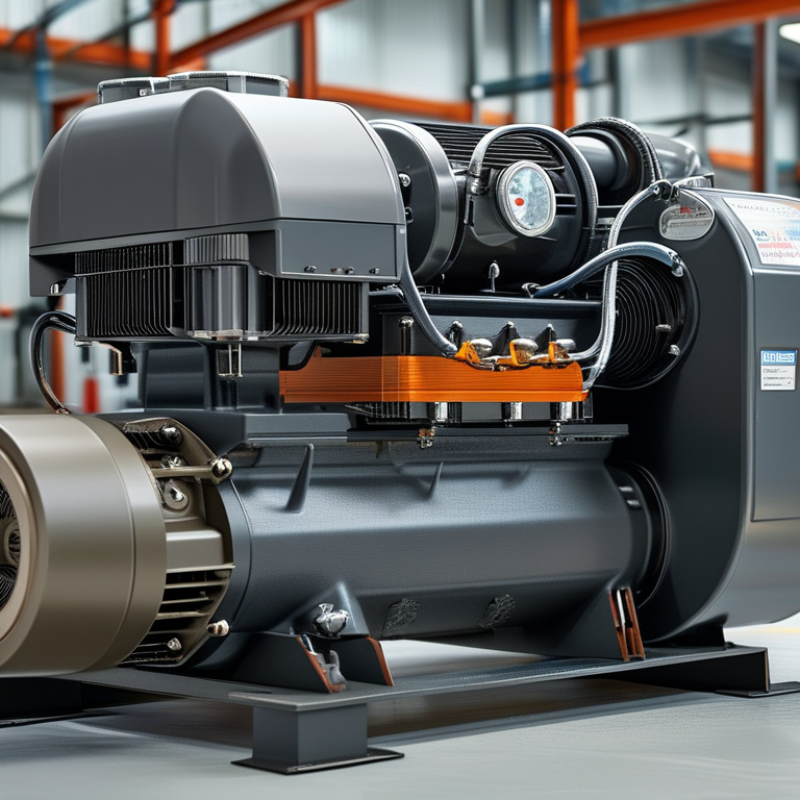
2026 Best Screw Fix Compressor Buying Guide?

What Is a Screw Fix Compressor and How Does It Work?

A screw fix compressor is generally a permanently installed rotary screw compressor. Unlike a portable piston unit, it is designed to remain connected to an air system. Inside its housing, two helical rotors turn in opposite directions. Air enters through an inlet valve and becomes trapped between the rotors and casing. The space gradually becomes smaller, increasing pressure before compressed air reaches the outlet.

That is the basic cycle. Oil-injected models use oil to seal clearances, reduce heat, and lubricate moving parts. An air-oil separator then removes most oil from the compressed air. Oil-free models use different sealing and cooling methods, but they often require tighter manufacturing control. In workshop inspections, unusual vibration, rising discharge temperature, or frequent separator replacement can indicate poor alignment, blocked filters, or unsuitable oil.

Installation quality matters as much as compressor size. A level foundation, adequate ventilation, correctly sized pipes, and a receiver tank help maintain stable pressure. Check the manufacturer’s service intervals, because rotor systems are precise and expensive to repair. The phrase “screw fix compressor” can be confusing. Some sellers may mean a fixed screw compressor, not a special compressor type. Verify the intended duty cycle, air purity, pressure range, and control method before buying. A larger model is not automatically better. Undersized piping can still waste energy, while an oversized unit may cycle inefficiently.

Key Features to Compare in a 2026 Screw Fix Compressor

Key Features to Compare in a 2026 Screw Fix Compressor

Buying a screw compressor starts with measured demand, not catalogue horsepower. The U.S. Department of Energy reports that compressed air can consume 10–15% of industrial electricity. Leakage may waste 20–30% of compressor output, according to its compressed-air guidance. Therefore, compare specific power, airflow, and control efficiency. Check free air delivery under ISO 1217 conditions. A larger tank cannot correct an undersized compressor.

Variable-speed control can reduce unloaded running, especially where demand changes during shifts. Compare the motor efficiency class, pressure range, heat recovery potential, and service access. Oil-injected models often suit general manufacturing. Oil-free designs may be necessary for sensitive processes. However, “oil-free” does not automatically mean lower operating cost. Review filtration, cooling, and lifecycle energy use. The International Energy Agency continues to identify industrial motor systems as a major electricity-saving opportunity, making efficiency more important than purchase price alone.

Tips: Ask for a verified performance curve, not only a headline rating. Measure pressure at the machine inlet. Review annual maintenance hours and spare-part availability. A 1-bar pressure increase may raise energy use, but the exact effect depends on the installation. I would also inspect drain losses and leaks after commissioning. This step is often missed. Finally, leave room for demand growth, but avoid buying excess capacity; that decision can look safe and still create inefficient cycling.

How to Choose the Right Compressor for Your Application

2026 Best Screw Fix Compressor Buying Guide

Choosing the right screw compressor starts with your application, not the advertised motor size. Record your actual air demand during peak production, including leaks and future equipment. A workshop using pneumatic tools may need steady pressure, while a packaging line can require cleaner, drier air. Measure it.

Check the required pressure at the point of use. A compressor rated for high pressure may deliver less air than expected. Ask for performance data at your working pressure, not only free-air delivery. Consider oil-injected or oil-free operation, depending on product contact and air purity requirements. A variable-speed drive can reduce energy use when demand changes, but savings depend on the load pattern. Fixed speed may be more practical for constant, heavy production.

Look beyond the compressor cabinet. Leave enough space for cooling and maintenance access. In a hot room, ventilation matters more than many buyers expect. A dryer, filters, receiver tank, and drain system may be essential. Check noise levels if operators work nearby. Review service intervals, spare-part availability, control alarms, and the supplier’s response time. I have seen systems sized correctly but installed with undersized pipes, causing pressure loss. That mistake is easy to miss. It is worth checking twice. Also question optimistic energy calculations; request assumptions, operating hours, and measured test conditions before comparing purchase prices.

Installation, Operation, and Maintenance Requirements

Choosing a screw compressor in 2026 requires more than comparing motor power and airflow. Installation conditions strongly influence efficiency, reliability, and service life. Place the unit on a level, vibration-resistant foundation. Leave clear space around filters, coolers, and electrical panels. Technicians need safe access for inspections and repairs.

Ventilation deserves careful attention. A poorly ventilated room can raise discharge temperatures quickly. Keep air inlets clean and prevent hot exhaust air from returning. Connect piping with suitable supports, flexible sections, and correctly sized drains. Remove construction dust before commissioning. Small debris can damage internal components.

During operation, monitor pressure, temperature, current, and unusual noise. Do not repeatedly start and stop the compressor without checking the control settings. That habit can increase thermal stress. I have seen operators ignore a small oil leak because production was busy. It later became an expensive shutdown. That choice was understandable, but not wise.

Maintenance should follow the service schedule and actual working conditions. Inspect oil level, separators, belts, couplings, hoses, and condensate drains at defined intervals. Replace filters when pressure drop increases, not only when they look dirty. Calibrate sensors periodically. Record readings, alarms, and replaced parts in a maintenance log. These records support reliable decisions and help reveal gradual performance loss. Always isolate energy sources before service, and allow hot components to cool. Guesswork has no place here.

2026 Best Screw Fix Compressor Buying Guide: Installation, Operation, and Maintenance Requirements

The chart shows typical planning ranges for major screw compressor maintenance tasks, measured in operating hours. Actual intervals depend on compressor design, lubricant type, ambient temperature, air quality, duty cycle, and the equipment manufacturer’s service instructions.

Installation
Provide a level foundation, sufficient ventilation, clean intake air, adequate service clearance, and correctly sized electrical and air-distribution connections.
Operation
Monitor discharge pressure, temperature, oil level, alarms, condensate drainage, and operating load. Avoid blocked ventilation and frequent unloaded running.
Maintenance
Inspect filters and leaks regularly, replace oil and separator elements at scheduled intervals, and isolate electrical and pneumatic energy before service.

Safety, Energy Efficiency, and Total Ownership Costs

2026 Best Screw Fix Compressor Buying Guide

A fixed screw compressor should be judged by safety, energy use, and lifetime cost, not its purchase price alone. Check emergency stops, belt or coupling guards, pressure relief devices, and clear maintenance access. A crowded service panel creates mistakes. Noise levels also matter when operators work nearby for several hours.

Electricity often becomes the largest ownership expense. Compare the compressor’s rated power with your actual air demand, especially during nights and weekends. Oversized equipment may run inefficiently at light loads. Inspect leakage around fittings, hoses, and drains; a small hiss can waste substantial energy over a year. Oil quality, filter condition, cooling airflow, and correct pressure settings also affect efficiency. In practical audits, these simple details sometimes save more than a premium control system. Still, my first cost estimate was wrong once because I ignored seasonal production changes.

Tips: Request measured airflow data, not only advertised capacity. Calculate annual energy costs using local electricity rates and realistic operating hours. Include oil, filters, separators, technician visits, spare parts, installation, and possible downtime. Ask for maintenance intervals in writing. Review the warranty carefully, but do not treat it as a substitute for preventive care. Leave space around the unit for cleaning and safe lifting. A cheaper compressor can become expensive when service access is poor.

FAQS

What should I compare before buying a screw compressor?

Start with measured air demand, not catalogue horsepower. Compare free air delivery, specific power, pressure range, and control efficiency. A larger tank cannot fix an undersized compressor.

Is variable-speed control useful for changing production demand?

It can reduce unloaded running when demand changes during shifts. Check actual operating patterns, including nights and weekends. It is not automatically the cheapest option.

How can I verify advertised airflow?

Request a measured performance curve, not only a headline rating. Confirm free air delivery under ISO 1217 conditions. Measure pressure at the machine inlet, too.

Should I choose an oil-injected or oil-free design?

Oil-injected models often suit general manufacturing. Oil-free designs may suit sensitive processes. However, oil-free does not automatically mean lower operating cost.

What installation conditions does a screw compressor need?

Use a level, vibration-resistant foundation. Leave clear space around filters, coolers, and electrical panels. Keep hot exhaust air away from the air inlet.

Which operating readings should staff monitor?

Monitor pressure, temperature, current, alarms, and unusual noise. Repeated starting and stopping can increase thermal stress. Small warning signs matter.

What maintenance tasks deserve regular attention?

Inspect oil, separators, belts, couplings, hoses, and condensate drains. Replace filters when pressure drop rises, not only when they look dirty. Record readings and replaced parts.

How can I estimate the compressor’s real ownership cost?

Include electricity, oil, filters, separators, service visits, spare parts, installation, and downtime. Use local electricity rates and realistic operating hours. Purchase price alone can mislead.

How much spare capacity should I purchase?

Leave reasonable room for demand growth, but avoid excessive capacity. Oversized equipment may cycle inefficiently at light loads. My first estimate was wrong because I ignored seasonal production changes.

Conclusion

Choosing the best Screw Fix Compressor in 2026 requires more than comparing purchase prices. This guide explains how screw compression technology works, using rotating screws to deliver a steady flow of compressed air for demanding applications. It highlights key factors such as air capacity, pressure range, motor performance, noise levels, control systems, footprint, and compatibility with existing equipment. Understanding these specifications helps users select a compressor that matches their workload without paying for unnecessary capacity.

The guide also covers installation, daily operation, routine maintenance, and environmental requirements that support reliable performance. Safety practices, energy efficiency, and total ownership costs are equally important, including electricity consumption, service intervals, replacement parts, and expected operating life. By evaluating both immediate needs and long-term expenses, buyers can choose a practical Screw Fix Compressor that delivers stable output, efficient operation, and dependable value throughout its service life.

Sienna

Sienna

Sienna is a skilled marketing professional with a deep expertise in our company’s core products and services. With a passion for innovation and detail, she plays a pivotal role in crafting insightful blog posts that not only highlight the unique features of our offerings but also provide valuable......